Technology & quality

BiOle

Technology & quality

An integrated approach that follows antimicrobial functionality from production to end use.

Fibre-integrated technology

Not a surface treatment that simply washes away.

BiOle antimicrobial agents are introduced into the polypropylene polymer during melt spinning. Positioning the functionality within the fibre supports continuity through repeated washing, rubbing and abrasion.

The additive approach is designed not to compromise the textile product’s rubbing or light fastness. Application-specific validation should always consider the finished product and its processing conditions.
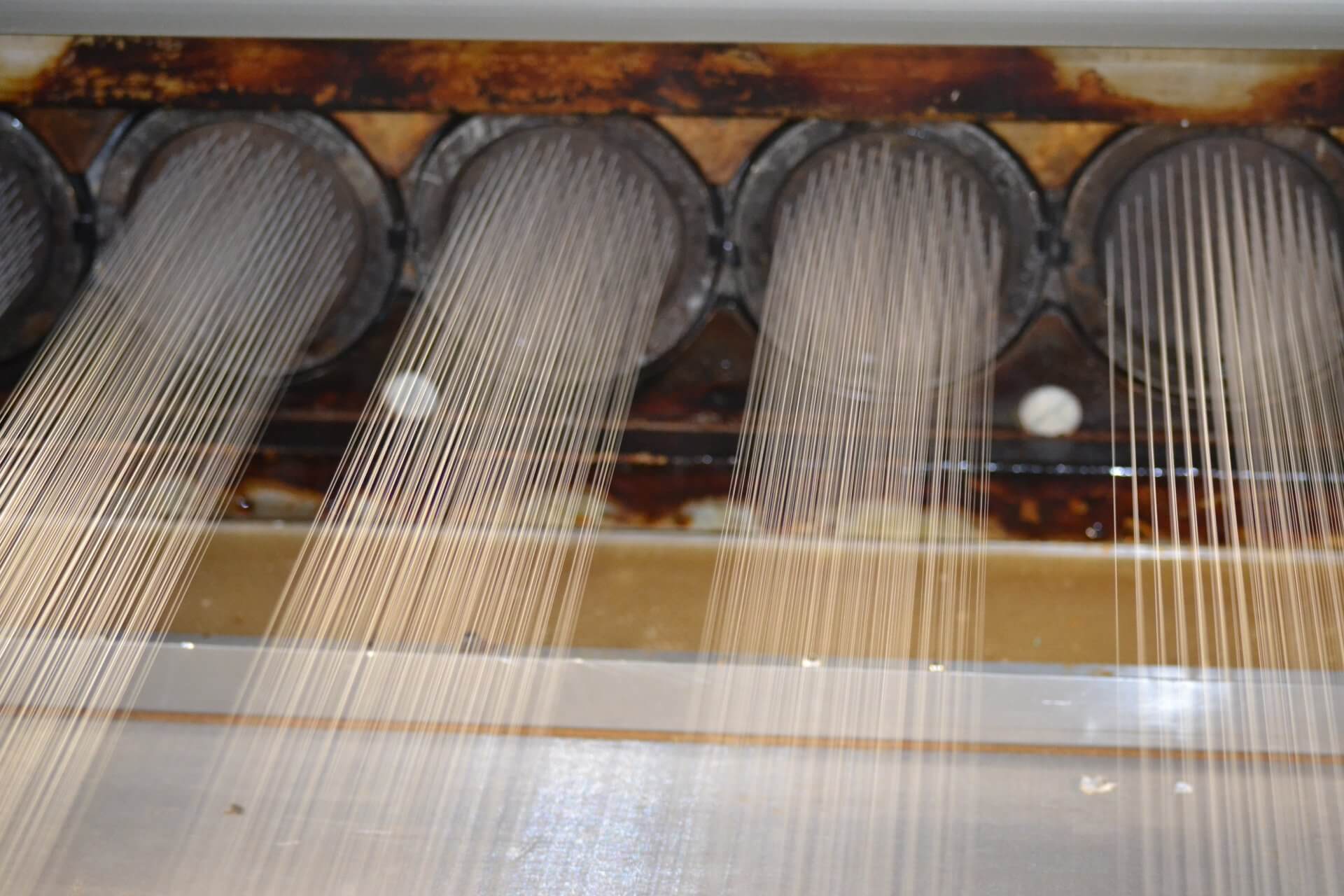
Turktex yarn production process

Control points

A quality chain from material to application.

Technical performance is managed by considering raw material, spinning parameters, yarn construction and finished-textile processing together.

Additive compatibility

Antimicrobial agent and polymer compatibility are managed through controlled production parameters.

Process control

Target construction is monitored across spinning and texturing stages.

Performance verification

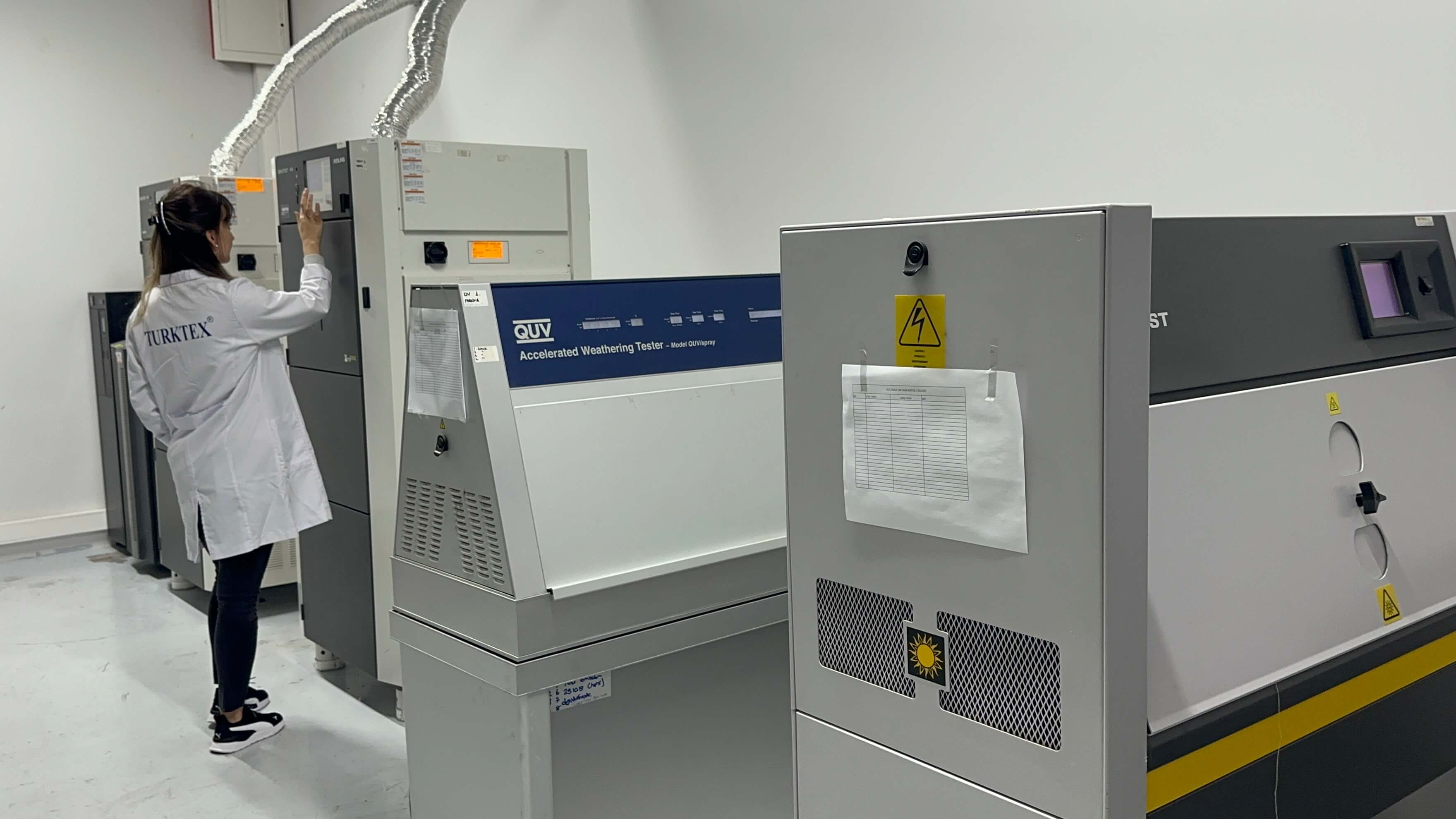
Test method and sample preparation are assessed for the intended application.

Product suitability

Colour, denier, packaging and lead time are confirmed before production.

ISO 20743

A reference method for antibacterial textiles.

The BiOle brochure references this standard when discussing antimicrobial performance. Results and suitability depend on the tested sample and selected method.

AATCC 30

Antifungal assessment for textile materials.

The brochure cites the AATCC 30 test approach for antifungal performance. Contact the Turktex team for current reports and application-specific technical requirements.

Technical review

Let’s define the right test plan for your finished product.

Contact the technical team